
Practice Area 06
Global Health & Capacity Building
Program design, clinical and diagnostic education, workforce development, and operational planning delivered in partnership with the institutions responsible for care.
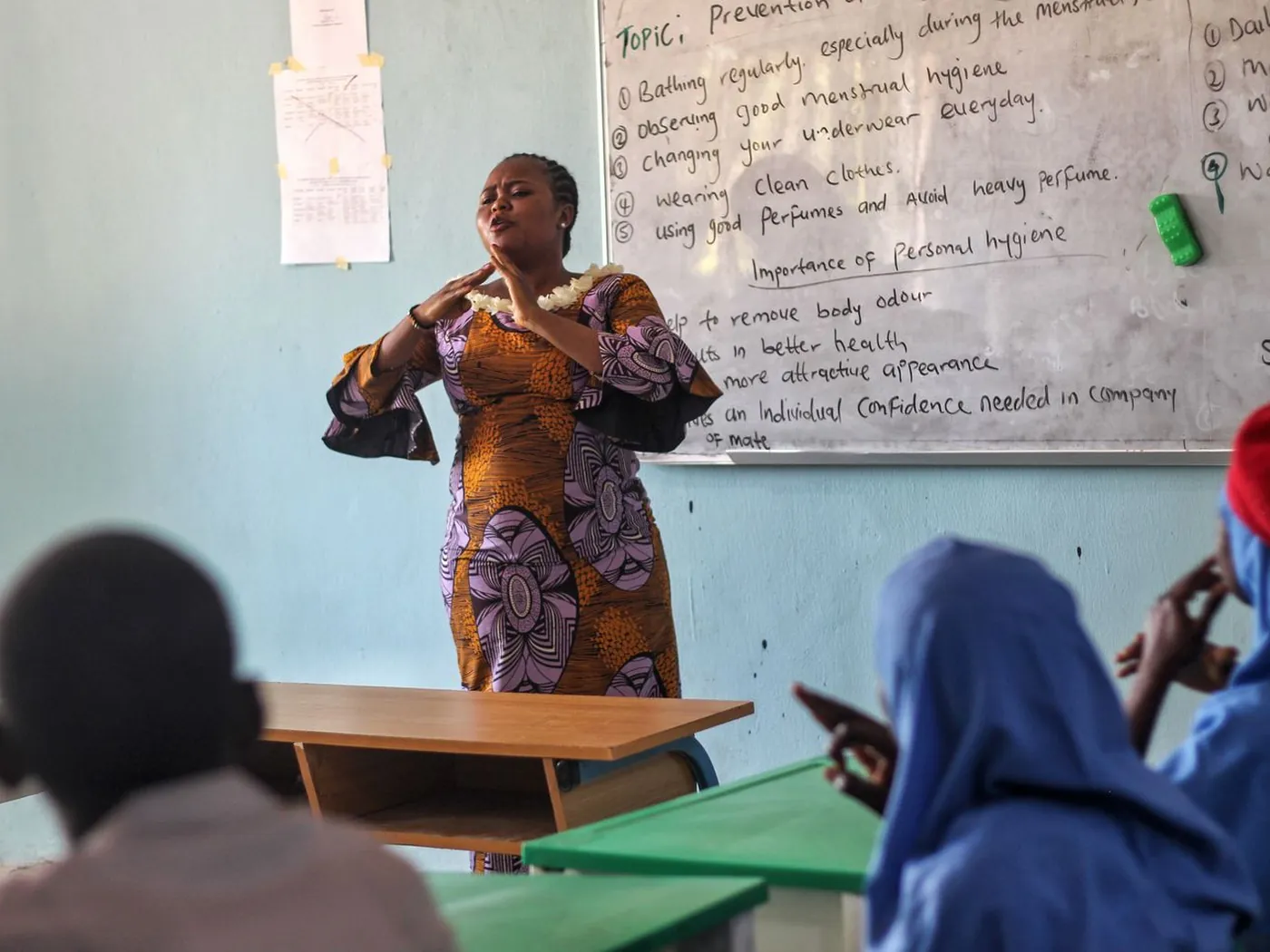
Organizational Context
Capacity is built by the institutions that deliver care every day.
Healthcare capacity is created and sustained by local clinicians, educators, and administrators. External support is useful only where it strengthens what those institutions are already carrying — program architecture, service design, clinical and diagnostic education, workforce development, measurement, and the operational planning that moves a program from intent to sustained delivery.
Clinical Integrity Group works from the system as it actually operates: available workforce, existing training pathways, referral patterns, equipment and diagnostic capability, data and reporting practice, regulatory and professional standards, and the priorities set by local leadership. Recommendations are developed to function within those realities rather than alongside them.
01
Programs designed without the delivery system in view
Program design assumes workforce, equipment, or data capability that the operating environment does not currently have.
02
Training delivered without a maintenance structure
Education is provided, but no competency framework, mentoring structure, or refresh cadence remains afterward.
03
Diagnostic capability without a competency pathway
Imaging equipment is available while acquisition, interpretation, and reporting standards remain undefined.
04
Measurement built for external reporting
Indicators serve funder requirements and cannot be used by local teams to manage the service.
05
Dependence designed into the arrangement
Documentation, training material, and analysis remain with the external party, so capability does not accumulate locally.
Geographic Orientation
A West African orientation, and the disciplines to work in comparable settings.
Clinical Integrity Group is a US firm with West African roots, and that orientation is deliberate rather than incidental. It shapes which settings the firm is equipped to work in, how partnership is structured, and the assumptions the firm does not bring into a conversation.
The firm is positioned to support organizations in West Africa and comparable health systems. No completed engagements in the region are claimed, and none are represented on this site. What the firm offers is applicable capability: maternal and child health program design, reproductive health service design, sonography and diagnostic-imaging education, workforce development, quality and performance structures, and operational planning for program continuity.
Collaboration is peer-level. Local clinicians, educators, and administrators lead delivery and retain ownership of the program. Knowledge transfer, documentation, and capability building are part of the engagement design rather than an addendum to it.

How CIG Supports Organizations
Where the firm can contribute.
Scope is defined with local leadership, and delivery capability stays local throughout.
Maternal and child health program design and strengthening
Program architecture, referral and risk pathways, documentation standards, and measurement designed for the operating environment.
Reproductive health service design
Service structure, care sequencing, staffing requirements, and phased development.
Sonography and diagnostic-imaging education
Protocol standardization, competency frameworks covering acquisition and interpretation, image-quality review, and mentoring structures.
Clinical workforce development and continuing education
Onboarding, competency maintenance, preceptor development, and internal educator capability.
Quality improvement and accountability structures
Measure definition, baseline establishment, review cadence, and named internal ownership.
Operational planning for continuity and local ownership
Implementation sequencing, documentation, and handover designed so the program continues without external presence.
Representative Forms of Engagement
How this work is typically scoped.
- Collaborative program developmentJoint design of a program with a local institution retaining leadership and ownership.
- Clinical education partnershipDevelopment of competency frameworks and education structures with local educators.
- Technical assistanceDefined-scope advisory support on program design, measurement, or operational planning.
- Institutional collaborationStructured partnership with a training institution, health facility, or professional body.
- Capacity assessmentReview of current program, workforce, and diagnostic capability with a written findings document.
These describe the forms collaboration can take. They are not descriptions of completed projects, and Clinical Integrity Group does not claim existing international contracts or engagements.
The CIG Framework
Capacity-building work begins with the Integrity stage — understanding the system as it operates, from the workforce and training pathways to diagnostic capability and reporting practice.
- Integrity
- Insight
- Implementation
- Impact
Partner With CIG
Discuss this area with the firm.
Organizational inquiries are reviewed before an engagement is established. Please include the setting and the problem you are working on.